

How to Prove Your Identity for a US Visa Application
Applying for a US visa requires meticulous preparation, and proving your identity is a crucial step. This guide provides a comprehensive overview of the documents and procedures you need to follow to successfully verify your identity and increase your chances of approval. Proper identification is essential for ensuring that the visa is issued to the correct individual and helps prevent fraud and misrepresentation.
The process of proving your identity is multifaceted, involving various documents and procedures that must be carefully adhered to. Understanding these requirements is vital for a smooth and efficient application. Keep in mind that requirements may vary depending on your country of origin and the specific type of visa you are applying for. You can find more details about crypto news platform.
Gathering the necessary documents and preparing adequately can alleviate stress and potential delays in your visa application. Let's explore the steps involved in proving your identity and ensuring a successful outcome. Many applicants find the process daunting, but with the right information and preparation, it can be manageable. It's also important to stay updated on any changes to visa regulations and requirements, as these can impact the documentation needed. For further information on relevant topics, check out this business news website.
Required Documents for Identity Verification
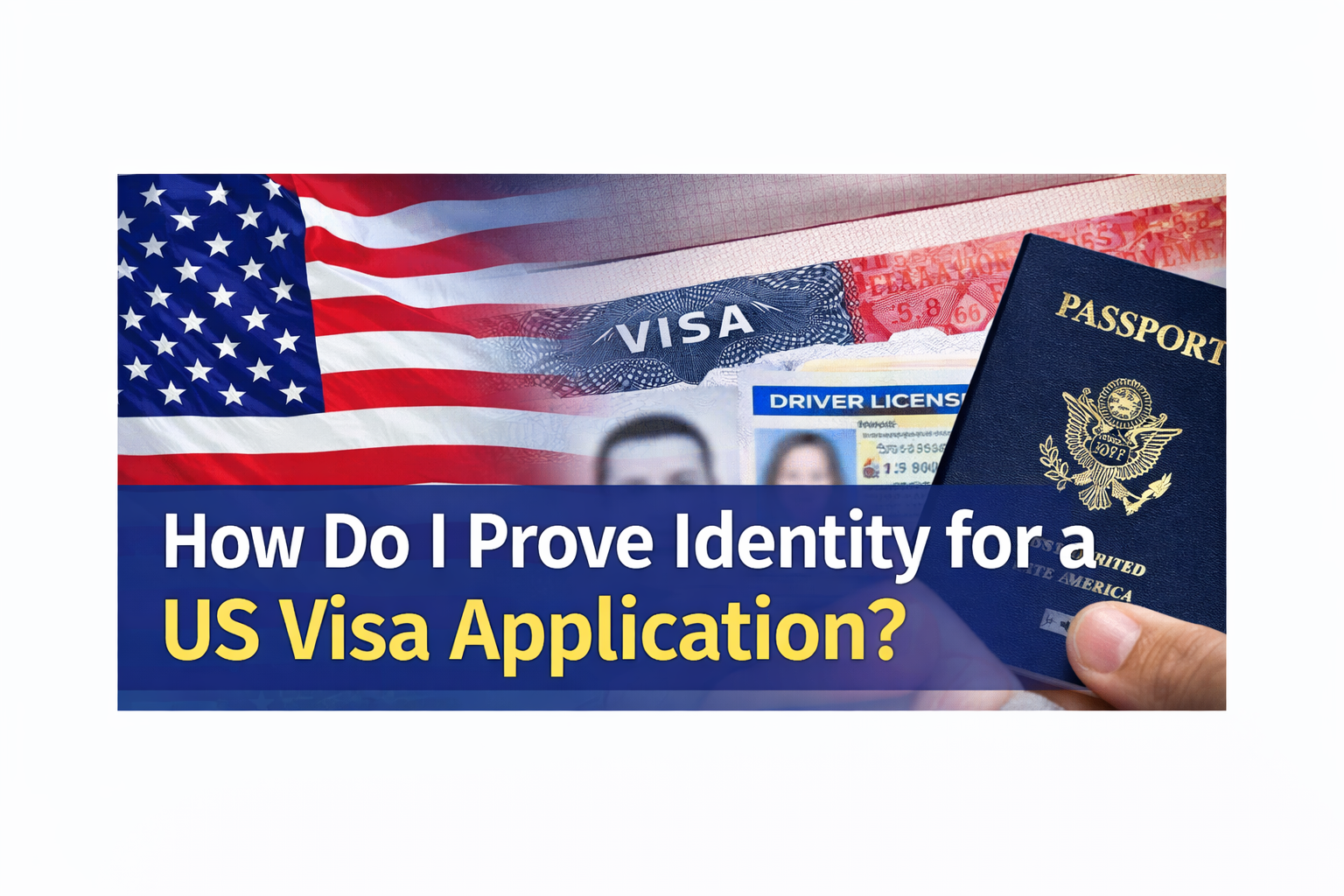
The primary document for proving your identity is typically your valid passport. Your passport should be valid for at least six months beyond your intended stay in the United States, unless specific agreements exist between your country and the US. Ensure that your passport is in good condition, with no tears, water damage, or other issues that could raise suspicion about its authenticity.
In addition to your passport, you may need to provide other forms of identification, such as a national identity card, driver's license, or birth certificate. These documents can provide additional verification of your identity and personal details. It is always best to have more documentation than you think you need, as this can help to resolve any discrepancies or issues that may arise during the application process.
Here's a list of commonly required documents:
- Valid Passport: Must have at least six months of validity beyond your intended stay.
- National Identity Card: If applicable in your country of origin.
- Driver's License: As a secondary form of identification.
- Birth Certificate: To verify your date and place of birth.
- Previous Visas: Copies of any previous US visas, if applicable.
Completing the DS-160 Form
The DS-160 form is an online nonimmigrant visa application form required for most visa applicants. It collects biographical information, travel history, and other relevant details. Accuracy and completeness are crucial when filling out this form, as any discrepancies can lead to delays or even denial of your visa.
When completing the DS-160, you will be asked to upload a photograph that meets specific requirements. The photo must be recent, taken within the last six months, and adhere to size and format guidelines. Ensure that your face is clearly visible, with a neutral expression and against a plain background. Using an old or non-compliant photograph can cause issues with your application.
Key points to remember when completing the DS-160 form:
- Provide accurate and truthful information.
- Double-check all entries before submitting.
- Upload a compliant photograph.
- Keep a copy of the submitted form for your records.
Attending the Visa Interview
Most visa applicants are required to attend an interview at the US embassy or consulate in their country of residence. The interview is an opportunity for the consular officer to assess your eligibility for a visa and verify the information provided in your application. It is important to dress professionally and arrive on time for your interview.
During the interview, you will be asked questions about your travel plans, reasons for visiting the US, and your ties to your home country. Answer honestly and concisely, and be prepared to provide supporting documentation if requested. Maintain a respectful and courteous demeanor throughout the interview, as this can positively influence the outcome.
Tips for a successful visa interview:
- Dress professionally.
- Arrive on time.
- Answer questions honestly and concisely.
- Provide supporting documentation if requested.
- Maintain a respectful demeanor.
Providing Supporting Documents
In addition to the primary identification documents, you may need to provide supporting documents to further establish your identity and ties to your home country. These documents can include:
- Employment verification letter
- Bank statements
- Property deeds
- Family records
The specific supporting documents required will depend on your individual circumstances and the type of visa you are applying for. Providing comprehensive and credible documentation can strengthen your application and demonstrate your intention to comply with visa regulations. Always ensure that all documents are translated into English if they are not originally in that language.
Addressing Name Discrepancies
Name discrepancies between different documents can cause significant issues with your visa application. It is essential to ensure that the name on your passport, visa application, and other identification documents matches exactly. If there are any discrepancies, you should take steps to correct them before submitting your application.
If you have legally changed your name, you should provide documentation such as a marriage certificate or court order to support the change. If the discrepancy is due to a clerical error, you should obtain a corrected document from the issuing authority. Addressing name discrepancies promptly can prevent delays and potential denial of your visa.
Digital Identity Verification
In some cases, the US embassy or consulate may use digital identity verification methods to confirm your identity. This can include biometric data collection, such as fingerprint scanning or facial recognition. These technologies help to ensure that the person applying for the visa is who they claim to be and can prevent fraud.
If you are required to undergo digital identity verification, you should cooperate fully with the process and follow all instructions provided by the consular staff. Ensure that your hands are clean and free of any obstructions that could interfere with the scanning process. Maintaining a calm and cooperative attitude can help to expedite the process.
The Importance of a Clear Photo
A clear and compliant photograph is an essential component of your visa application. The photograph is used to verify your identity and ensure that the visa is issued to the correct person. The photo must meet specific requirements regarding size, format, and image quality.
Ensure that your photograph is recent, taken within the last six months, and adheres to the guidelines provided by the US Department of State. Your face should be clearly visible, with a neutral expression and against a plain background. Avoid wearing hats, sunglasses, or other accessories that could obstruct your face. Using a non-compliant photograph can cause delays or rejection of your application.
Additional Tips for Proving Identity
Here are some additional tips to help you successfully prove your identity for a US visa application:
- Start the application process early to allow ample time for gathering documents and addressing any issues.
- Keep copies of all documents submitted with your application.
- Be honest and transparent in all your interactions with consular officials.
- Follow all instructions provided by the US embassy or consulate.
- Seek assistance from a qualified immigration attorney if needed.
Understanding Visa Denial Reasons
There are various reasons why a visa application may be denied, and understanding these reasons can help you avoid common pitfalls. One of the most common reasons for denial is the applicant's failure to demonstrate sufficient ties to their home country, indicating a risk of overstaying their visa. Another reason is providing false or misleading information on the application form or during the interview.
Other potential reasons for denial include a criminal record, previous immigration violations, or concerns about the applicant's intentions for visiting the US. If your visa application is denied, you will receive a written explanation of the reasons for the denial and information on how to reapply. Addressing the issues that led to the denial and providing additional documentation can improve your chances of approval in the future.
Proving Identity for Different Visa Types
The specific requirements for proving identity may vary depending on the type of visa you are applying for. For example, student visas may require additional documentation to verify enrollment in a US educational institution. Employment-based visas may require proof of employment and qualifications. Tourist visas typically require evidence of travel plans and financial resources.
Regardless of the visa type, the fundamental principles of proving identity remain the same: provide accurate and credible documentation, be honest and transparent in your interactions with consular officials, and follow all instructions provided by the US embassy or consulate. Understanding the specific requirements for your visa type can help you prepare a stronger and more compelling application. Always refer to the official website of the US Department of State for the most up-to-date information and guidelines.
Frequently Asked Questions
What is the most important document for proving my identity?
Your valid passport is the most important document. It must be valid for at least six months beyond your intended stay in the US.
What should I do if there is a name discrepancy on my documents?
You should take steps to correct the discrepancy before submitting your application. Provide documentation such as a marriage certificate or court order if you have legally changed your name.
Do I need to translate my documents into English?
Yes, if your documents are not originally in English, you must provide certified translations.
What if my visa application is denied?
You will receive a written explanation of the reasons for the denial and information on how to reapply. Address the issues that led to the denial and provide additional documentation.
How recent should my photograph be?
Your photograph should be recent, taken within the last six months.
What should I wear to the visa interview?
Dress professionally for the visa interview.
What kind of questions will I be asked during the visa interview?
You will be asked questions about your travel plans, reasons for visiting the US, and your ties to your home country.
Can I bring someone with me to the visa interview?
Generally, you are not allowed to bring someone with you to the visa interview unless you have a specific need, such as a disability. Check with the US embassy or consulate for their specific policies.
What happens if my passport expires while I am in the US?
You should contact your country's embassy or consulate in the US to renew your passport.
Where can I find the most up-to-date information about visa requirements?
You can find the most up-to-date information on the official website of the US Department of State.
Disclaimer: Visa requirements and procedures are subject to change. Always verify the latest information with the official US Department of State website or the nearest US embassy or consulate.