


Understanding Cryptocurrency Investment Risks
Investing in cryptocurrency can be exciting but also carries significant risks. The cryptocurrency market is known for its volatility, meaning prices can fluctuate dramatically in short periods. This volatility can lead to substantial gains, but also significant losses. Before diving in, it's essential to understand these risks and prepare accordingly.
- Market Volatility: Prices can change rapidly based on market sentiment, news, and regulatory changes.
- Security Risks: Cryptocurrencies are digital assets, making them vulnerable to hacking and theft.
- Regulatory Uncertainty: The legal and regulatory landscape for cryptocurrencies is still evolving, which can impact their value and usability.
- Lack of Insurance: Unlike traditional bank deposits, most cryptocurrency holdings are not insured.
Starting with Research and Education
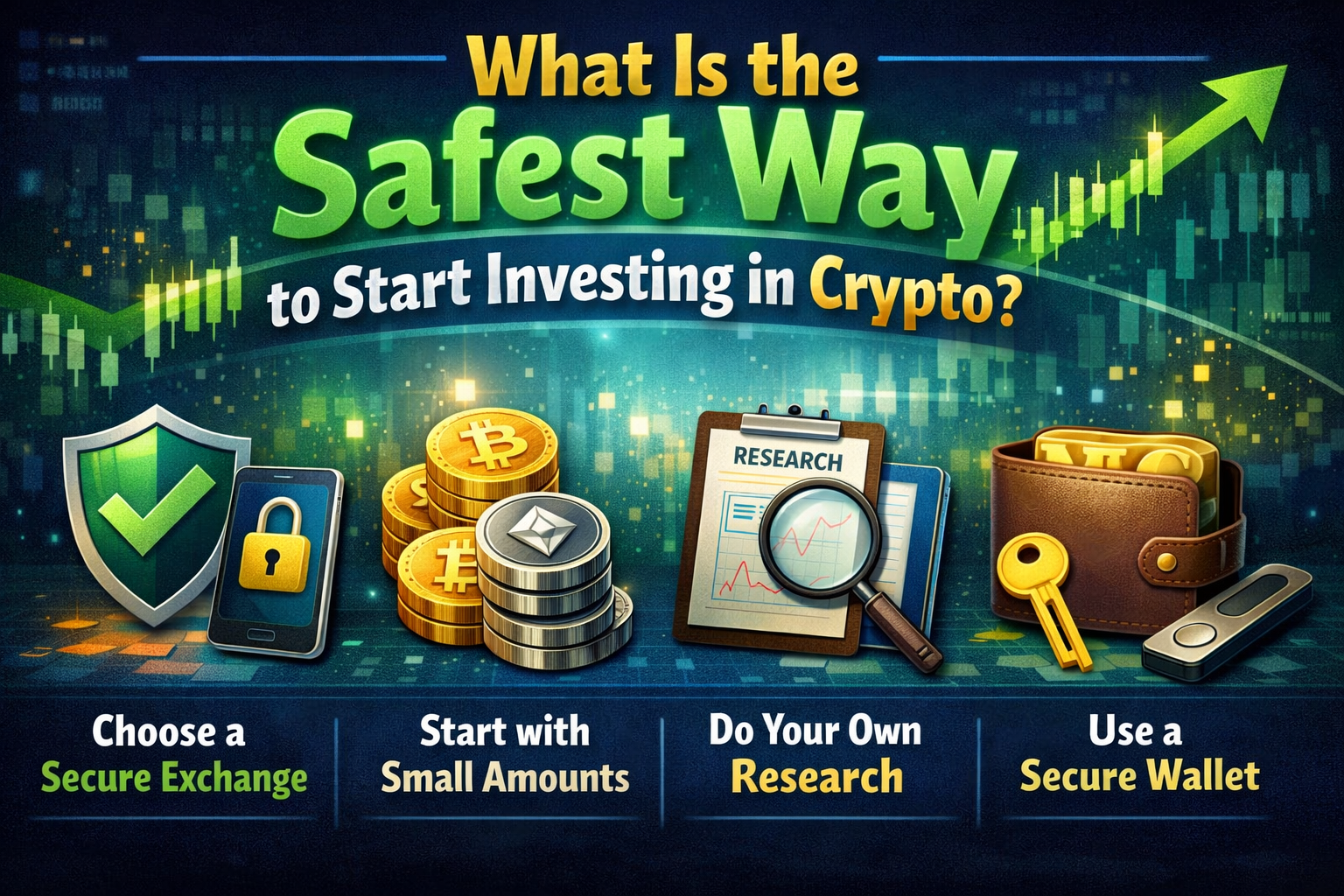
Before investing any money, dedicate time to thoroughly research and educate yourself about cryptocurrencies. Understand the technology behind them, their potential use cases, and the factors that influence their prices. Many resources are available online, including articles, videos, and courses. This comprehensive knowledge will help you make informed decisions and mitigate risks.
Begin by understanding the underlying technology of blockchain. Learn about different types of cryptocurrencies, such as Bitcoin, Ethereum, and altcoins. Understand the concepts of wallets, exchanges, and smart contracts. The more you know, the better equipped you will be to navigate the digital asset landscape.
Consider taking online courses or reading books on cryptocurrency investing. Follow reputable news sources and analysts who specialize in the crypto market. Be wary of hype and scams, and always verify information from multiple sources. Platforms like tech news site offer valuable insights and updates on the crypto world.
Choosing a Secure Cryptocurrency Exchange
Selecting a secure and reputable cryptocurrency exchange is crucial for protecting your investments. Look for exchanges with strong security measures, a good track record, and positive user reviews. Consider factors such as insurance coverage, two-factor authentication, and cold storage of funds. A reliable exchange can significantly reduce the risk of losing your assets to hacking or fraud.
Research the exchange's security protocols. Does it use multi-signature wallets to protect funds? Does it have a bug bounty program to incentivize security researchers? Does it undergo regular security audits by independent firms? These are all important indicators of a secure exchange. Remember that you can also find a guest blogging platform that allows you to explore more information about different platforms and exchanges.
Consider the exchange's regulatory compliance. Is it registered with the appropriate regulatory bodies in its jurisdiction? Does it comply with anti-money laundering (AML) and know your customer (KYC) regulations? Regulatory compliance can provide additional assurance of the exchange's legitimacy and security. Some popular exchanges include Coinbase, Binance, and Kraken, but always do your own research to determine which one is right for you.
Diversifying Your Cryptocurrency Portfolio
Diversification is a key principle of investing, and it applies to cryptocurrency as well. Instead of putting all your money into one cryptocurrency, spread it across multiple assets. This can help reduce your overall risk and increase your chances of earning returns. Consider diversifying across different types of cryptocurrencies, such as large-cap coins, small-cap coins, and stablecoins.
Allocate a portion of your portfolio to established cryptocurrencies like Bitcoin and Ethereum. These coins have larger market capitalizations and more liquidity, making them less volatile than smaller altcoins. Consider adding some altcoins with strong potential, but be aware that they carry higher risks. Stablecoins, which are pegged to a stable asset like the US dollar, can provide a safe haven during market downturns.
Rebalance your portfolio regularly to maintain your desired asset allocation. This involves selling some assets that have increased in value and buying others that have decreased. Rebalancing can help you stay disciplined and avoid overexposure to any one asset. Diversification does not guarantee profits or protect against losses, but it can help manage risk.
Using Dollar-Cost Averaging (DCA)
Dollar-cost averaging (DCA) is a strategy of investing a fixed amount of money at regular intervals, regardless of the asset's price. This can help reduce the impact of volatility and avoid the emotional pitfalls of trying to time the market. DCA is particularly well-suited for cryptocurrency investing, as it allows you to gradually build your position over time.
Determine how much money you want to invest in cryptocurrency each month or week. Then, divide that amount by the number of intervals you want to invest. For example, if you want to invest $100 per month, you could invest $25 each week. Set up automatic purchases on your exchange to ensure that you stick to your plan. DCA can help you buy more coins when prices are low and fewer coins when prices are high.
DCA is not a foolproof strategy, and it does not guarantee profits. However, it can help smooth out your returns and reduce your stress levels. It's important to remember that DCA is a long-term strategy, and it may take months or years to see significant results. Be patient and stick to your plan, even during market downturns.
Securing Your Cryptocurrency with Hardware Wallets
For long-term storage of cryptocurrency, consider using a hardware wallet. A hardware wallet is a physical device that stores your private keys offline, making them much less vulnerable to hacking and theft. Hardware wallets are considered the most secure way to store cryptocurrency. They offer an extra layer of protection against online threats.
Research different hardware wallet models and choose one that meets your needs. Popular options include Ledger and Trezor. Follow the manufacturer's instructions carefully when setting up your hardware wallet. Be sure to write down your recovery seed phrase and store it in a safe place. The recovery seed phrase is the only way to recover your funds if your hardware wallet is lost or damaged.
When using your hardware wallet, always verify the transaction details on the device's screen before signing. This can help prevent phishing attacks and other scams. Keep your hardware wallet firmware up to date to ensure that it has the latest security patches. Hardware wallets are not immune to all risks, but they offer a significant improvement in security compared to leaving your funds on an exchange.
Understanding Gas Fees and Transaction Costs
When transacting with cryptocurrencies, be aware of gas fees and transaction costs. Gas fees are the fees paid to miners or validators to process transactions on a blockchain network. Transaction costs can vary depending on the cryptocurrency, the network congestion, and the exchange you are using. High gas fees can eat into your profits, so it's important to factor them into your investment decisions.
Consider using layer-2 solutions to reduce gas fees. Layer-2 solutions are protocols that operate on top of a blockchain network to improve scalability and reduce transaction costs. Examples of layer-2 solutions include the Lightning Network for Bitcoin and rollups for Ethereum. These solutions can significantly reduce the cost of sending and receiving cryptocurrency.
Be mindful of exchange fees when buying and selling cryptocurrency. Different exchanges charge different fees, so it's important to compare them before choosing an exchange. Some exchanges offer lower fees for high-volume traders or users who hold their native token. Also, be aware of withdrawal fees when transferring cryptocurrency from an exchange to your wallet. Understanding and managing gas fees and transaction costs can help you maximize your returns.
Staying Informed About Regulatory Changes
The regulatory landscape for cryptocurrencies is constantly evolving. Governments around the world are grappling with how to regulate these new assets. Regulatory changes can have a significant impact on the value and usability of cryptocurrencies. It's important to stay informed about these changes and understand how they might affect your investments.
Follow reputable news sources and analysts who specialize in cryptocurrency regulation. Pay attention to announcements from regulatory bodies such as the Securities and Exchange Commission (SEC) in the United States and the Financial Conduct Authority (FCA) in the United Kingdom. Be aware of potential changes in tax laws, anti-money laundering (AML) regulations, and other rules that could impact your cryptocurrency holdings.
Consider consulting with a legal or tax professional to understand the regulatory implications of your cryptocurrency investments. Regulatory uncertainty can create both risks and opportunities. By staying informed and seeking expert advice, you can navigate the regulatory landscape and protect your investments. The digital currency world is always changing.
Avoiding Scams and Phishing Attacks
The cryptocurrency world is rife with scams and phishing attacks. Scammers often use sophisticated tactics to trick people into giving up their cryptocurrency or private keys. It's important to be vigilant and take steps to protect yourself from these threats. Be wary of unsolicited emails, messages, or phone calls offering investment opportunities. Never share your private keys with anyone, and always verify the legitimacy of websites and apps before entering your credentials.
Be skeptical of promises of guaranteed returns or high profits. If an investment opportunity sounds too good to be true, it probably is. Do your own research and consult with trusted advisors before investing in any cryptocurrency project. Use strong, unique passwords for your cryptocurrency accounts, and enable two-factor authentication whenever possible. Report any suspected scams or phishing attacks to the appropriate authorities.
Phishing attacks often involve fake websites or emails that look like legitimate cryptocurrency exchanges or wallets. Always double-check the URL of a website before entering your credentials. Be wary of emails asking you to click on links or download attachments. Never install software from untrusted sources. By being cautious and informed, you can significantly reduce your risk of falling victim to scams and phishing attacks. Blockchain technology is evolving, so stay informed about security best practices.
Understanding Tax Implications of Crypto Investments
Cryptocurrency investments are subject to taxes in most jurisdictions. It's important to understand the tax implications of buying, selling, and holding cryptocurrency. In many countries, cryptocurrency is treated as property for tax purposes. This means that you may be subject to capital gains taxes when you sell cryptocurrency for a profit. You may also be required to report any income you earn from cryptocurrency staking, mining, or lending.
Keep accurate records of all your cryptocurrency transactions, including the date, price, and quantity of each transaction. This will make it easier to calculate your capital gains and losses when filing your taxes. Consider using cryptocurrency tax software to automate the process. Consult with a tax professional to ensure that you are complying with all applicable tax laws. Tax laws can vary depending on your location and circumstances, so it's important to seek personalized advice.
Be aware of the potential for wash sales. A wash sale occurs when you sell cryptocurrency at a loss and then repurchase it within a certain period of time. In some jurisdictions, wash sales are not allowed, and you may not be able to deduct the loss on your taxes. Understanding the tax implications of your cryptocurrency investments can help you avoid costly mistakes and stay compliant with the law. The crypto space requires careful financial planning.
Setting Realistic Expectations and Managing Emotions
Investing in cryptocurrency can be emotionally challenging, especially during periods of high volatility. It's important to set realistic expectations and manage your emotions. Don't expect to get rich quick, and be prepared for the possibility of losing money. Avoid making impulsive decisions based on fear or greed. Stick to your investment plan and don't let short-term market fluctuations sway you.
Focus on the long-term potential of cryptocurrency, rather than short-term price movements. Remember that cryptocurrency is a relatively new asset class, and it may take time for it to mature. Be patient and disciplined, and don't let emotions cloud your judgment. Consider setting stop-loss orders to limit your potential losses. Stop-loss orders automatically sell your cryptocurrency if the price falls below a certain level.
Take breaks from checking the price of your cryptocurrency investments. Constantly monitoring the market can lead to anxiety and impulsive decisions. Trust in your research and your investment plan, and don't let fear or greed drive your actions. Managing your emotions is just as important as managing your finances when it comes to cryptocurrency investing. The digital economy is full of opportunities, but also risks.
Staying Updated on Crypto News and Trends
The cryptocurrency market is constantly evolving, with new projects, technologies, and trends emerging all the time. It's important to stay updated on these developments to make informed investment decisions. Follow reputable news sources, industry analysts, and thought leaders who specialize in cryptocurrency. Attend conferences and webinars to learn about the latest trends and innovations.
Be wary of hype and propaganda, and always verify information from multiple sources. Don't blindly follow the advice of social media influencers or online forums. Do your own research and form your own opinions. Consider joining cryptocurrency communities and online groups to connect with other investors and learn from their experiences. However, be cautious about sharing personal information or investment strategies in these groups.
Staying updated on cryptocurrency news and trends can help you identify promising investment opportunities and avoid potential pitfalls. It can also help you understand the broader context of the cryptocurrency market and make more informed decisions. The crypto world is constantly changing.
Disclaimer
Cryptocurrency investments are inherently risky and can result in financial loss. The information provided in this guide is for educational purposes only and should not be considered financial advice. Consult with a qualified financial advisor before making any investment decisions. Cryptocurrency values can fluctuate significantly. Regulations may change; check official sources for the latest updates.
Frequently Asked Questions
What is the safest cryptocurrency to invest in for beginners?
- Bitcoin and Ethereum are generally considered safer options due to their larger market capitalization and established history. However, all cryptocurrencies carry risk.
How much money should I start with when investing in crypto?
- Start with an amount you are comfortable losing. Cryptocurrency investments are highly volatile, and you should only invest what you can afford to lose.
What are the best cryptocurrency exchanges for beginners?
- Coinbase, Binance, and Kraken are popular exchanges with user-friendly interfaces suitable for beginners. Research and compare exchanges before making a decision.
What is a cryptocurrency wallet and why do I need one?
- A cryptocurrency wallet is a digital tool used to store, send, and receive cryptocurrencies. It's essential for securely managing your crypto holdings. Hardware wallets are considered the most secure option.
How can I protect my cryptocurrency from theft?
- Use strong, unique passwords, enable two-factor authentication, store your cryptocurrency in a hardware wallet, and be wary of phishing attacks and scams.
What are gas fees in cryptocurrency transactions?
- Gas fees are the fees paid to miners or validators to process transactions on a blockchain network. They can vary depending on network congestion and the cryptocurrency being used.
How are cryptocurrencies taxed?
- Cryptocurrencies are typically treated as property for tax purposes, meaning you may be subject to capital gains taxes when you sell them for a profit. Keep accurate records of all your transactions and consult with a tax professional.
What is dollar-cost averaging (DCA) and how does it work?
- Dollar-cost averaging (DCA) is a strategy of investing a fixed amount of money at regular intervals, regardless of the asset's price. This can help reduce the impact of volatility and avoid the emotional pitfalls of trying to time the market.
How do I stay informed about the latest cryptocurrency news and trends?
- Follow reputable news sources, industry analysts, and thought leaders who specialize in cryptocurrency. Attend conferences and webinars, and join cryptocurrency communities and online groups.
What are the potential risks of investing in cryptocurrency?
- The potential risks include market volatility, security risks, regulatory uncertainty, and lack of insurance. Be prepared for these risks and invest accordingly.